
Cleveland Golf — Irons
Cleveland Golf Irons: Engineered for Golfers Ready to Transform Their Game
Since 1979, Cleveland Golf has dedicated itself to one unwavering mission: helping golfers of all skill levels lower their scores through precision engineering and innovative technology. Founded in Huntington Beach, California by Roger Cleveland, the brand has built its reputation on understanding what amateur golfers truly need — forgiveness without sacrificing feel, distance without compromising control. Cleveland Golf Irons represent the culmination of decades of research into how mid-to-high handicap players actually strike the ball and what technological solutions can bridge the gap between their current game and their potential.
The target audience for these irons extends from weekend warriors seeking their first set of game-improvement clubs to seasoned players who have accepted that forgiveness matters more than ego. Cleveland Golf recognizes that most amateur golfers miss the sweet spot more often than they hit it, and the engineering team has designed every iron in the lineup to minimize the penalty for those off-center strikes. This player-first philosophy drives every decision, from head size to weight distribution to the materials selected for construction.
What separates Cleveland Golf from competitors chasing tour-level aesthetics is an honest acknowledgment of who plays their clubs. The design team focuses on real-world performance for real-world golfers, not marketing claims built around professional results that amateurs will never replicate. Every iron undergoes testing with average players, ensuring that the forgiveness and launch characteristics actually translate to better scores on Saturday mornings, not just impressive data in a laboratory setting.
From Long Irons to Scoring Clubs: The Complete Lineup
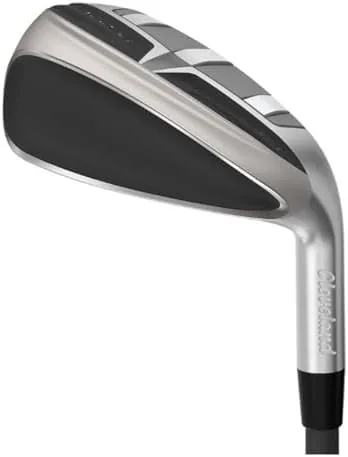
The current iron portfolio spans multiple series designed to address different player needs while maintaining the brand's commitment to forgiveness and feel. The Halo XL Full-Face series represents the pinnacle of game-improvement technology, featuring oversized heads that maximize moment of inertia across the entire face. Available in steel and graphite shaft configurations, with flex options ranging from senior to stiff, these sets typically include 5-iron through pitching wedge and gap wedge, providing comprehensive coverage for approach shots from any distance.
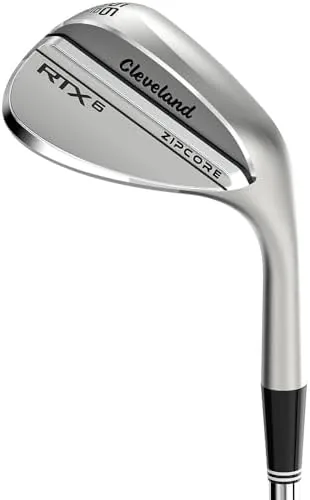
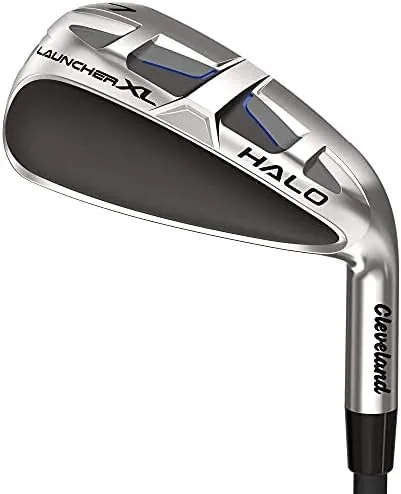
The Launcher XL Halo series takes a hybrid-iron approach, combining the easy launch characteristics of hybrids with the control golfers expect from traditional irons. This innovative design appeals to players who struggle with long iron consistency but want to maintain a cohesive look throughout their bag. The Zipcore XL series rounds out the lineup, incorporating the brand's signature ZipCore Technology for players who want enhanced feel without sacrificing the forgiveness that makes Cleveland irons so effective.
Set configurations vary by series, with options ranging from 5-iron through dual wedge combinations to accommodate different playing styles and course strategies. Both right-hand and left-hand options ensure every golfer can access the technology regardless of their stance preference. The breadth of shaft and flex combinations means custom fitting is built into the purchasing process, not an expensive afterthought.
The Science of Forgiveness: How ZipCore Redefines Sweet Spot Engineering
ZipCore Technology represents Cleveland Golf's most significant engineering breakthrough in iron design. The concept sounds simple but required years of material science development to execute: remove heavy material from areas that don't contribute to ball speed and reposition that weight where it actually matters. In practice, this means replacing the traditional dense material in the heel and hosel sections with a low-density core, fundamentally shifting the center of gravity to align with where golfers actually make contact.
Traditional iron construction places the center of gravity in locations that assume perfect contact, which benefits perhaps 5% of amateur golfers. Cleveland's approach acknowledges that the remaining 95% need the center of gravity positioned where their mishits occur. By moving mass toward the sweet spot and away from the hosel, ZipCore Technology transforms shots that would normally result in weak fades or chunked approaches into playable results that stay on target and maintain acceptable distance.
The secondary benefit of this weight redistribution manifests in increased moment of inertia in both high-low and heel-toe directions. This dual-axis stability means the clubface resists twisting on impact regardless of where contact occurs. The practical result on the course is tighter dispersion patterns and more consistent carry distances, even when strike quality varies from shot to shot. Golfers report feeling like they have a larger effective hitting area, which builds confidence and often leads to better swings through reduced tension.
Cleveland Golf Irons Feature Breakdown: XL Head Design and Beyond
- XL Head Design Oversized clubheads position mass away from the center, achieving MOI levels exceeding 2,908 g-cm² in the 7-iron. This creates the most forgiving irons in company history, turning mishits into playable shots.
- ZipCore Technology Low-density core material replaces heavy heel and hosel components, relocating the center of gravity to match actual strike patterns. Available in 8-iron through sand wedge configurations for scoring club precision.
- MainFrame Face Technology AI-designed variable face thickness patterns optimize ball speed across the entire hitting area, ensuring consistent distance whether contact occurs center, heel, or toe.
- Action Mass CB Weighting Internal tungsten weights positioned low and back promote higher launch angles without requiring swing changes, helping golfers achieve tour-level trajectories with amateur swing speeds.
- V-Shaped Sole Geometry Rounded sole profiles reduce turf interaction and eliminate the digging that plagues thick-soled game-improvement irons, maintaining forgiveness while improving turf performance.
- Progressive Offset Design Longer irons feature more offset to promote draw bias and higher launch, while shorter irons reduce offset for increased workability and precision on approach shots.
Tour-Proven, Amateur-Approved: Top-Performing Models

The Cleveland Golf Halo XL Full-Face Iron Set has emerged as the flagship offering for golfers prioritizing maximum forgiveness. Available in graphite configurations for senior, regular, and stiff flex players, the full-face construction eliminates the traditional sweet spot limitations that penalize off-center contact. The set configuration of 5-PW/GW provides comprehensive coverage for approach shots from 200 yards in, with each club engineered to deliver consistent gapping throughout the bag.
For players seeking the ultimate in launch assistance, the Launcher XL Halo Iron Set combines hybrid construction in the long irons with traditional iron performance in the scoring clubs. The 5-DW configuration, available in both graphite and steel shaft options, addresses the most common pain point for mid-handicap players: inconsistency with long irons. The hybrid-iron design generates higher launch with less effort while maintaining the control golfers need as they approach the green.
The Cleveland Golf Zipcore XL Iron Set targets players who want ZipCore Technology's feel benefits in a more traditional head shape. Available in steel stiff flex (4-PW) and graphite regular flex (6-PW) configurations, these irons appeal to better players who have outgrown super game-improvement designs but still need forgiveness on their less-than-perfect strikes. The inclusion of left-hand options in the Zipcore XL line ensures southpaw golfers receive equal access to the technology.
Z-Alloy Steel and Precision-Milled Components
Cleveland Golf's proprietary Z-Alloy Steel formula represents a departure from standard iron construction materials. This custom steel alloy achieves a softness rating 10% lower than previous generation irons while maintaining structural integrity and rust resistance. The result is a noticeably softer impact feel that provides feedback without the harsh vibration that accompanies many game-improvement irons. Golfers transitioning from blades often comment that Z-Alloy Steel preserves the feel characteristics they appreciate while adding the forgiveness their handicaps require.
Face construction incorporates precision-milled patterns that go beyond aesthetic considerations. Each face surface receives specific treatments designed to optimize spin and contact consistency. The HydraZip Face Technology, while most prominent in wedge designs, influences iron face engineering by establishing surface roughness parameters that maintain spin in varied conditions. This attention to face texture means approach shots behave predictably whether struck from morning dew, afternoon fairways, or light rough.
Shaft pairings receive equal attention, with Cleveland Golf selecting graphite and steel options that complement the head designs rather than generic off-the-shelf components. Graphite shafts in the lineup emphasize smooth energy transfer for players with moderate swing speeds, while steel configurations provide the stability faster swingers need for shot shaping. Weight matching across sets ensures consistent swing feel from long irons through wedges, eliminating the jarring transitions that characterize poorly assembled iron sets.
Higher Launch, Tighter Dispersion, Lower Scores
On-course performance testing reveals consistent patterns across the iron lineup: higher launch angles, reduced side spin on mishits, and tighter shot dispersion compared to previous generations and competitor offerings. The XL head designs generate peak heights that exceed what most amateur golfers achieve with traditional irons, allowing approach shots to land softly and hold greens rather than running through to back pins. This trajectory improvement often adds one to two clubs of effective distance as balls stop closer to where they land.
Durability testing demonstrates that Z-Alloy Steel maintains its properties through hundreds of rounds of play. Face roughness measurements taken after extensive use show minimal degradation, meaning spin performance remains consistent throughout the useful life of the clubs. The rust-resistant formulation holds up well in coastal environments and humid climates where standard carbon steel would develop corrosion. Golfers can expect these irons to perform identically in year three as they did when first unboxed.
Player feedback consistently highlights the confidence factor that accompanies these designs. Knowing that off-center strikes will still find the green allows golfers to swing more freely, often resulting in improved contact through reduced tension. This psychological benefit compounds the physical performance advantages, creating a positive feedback loop that shows up on scorecards. Handicap tracking among users shows meaningful improvement within the first season of play, with the greatest gains appearing in greens in regulation percentages.
Getting the Most from Your Cleveland Golf Irons: Setup and Practice Protocols
Maximizing iron performance begins with proper setup adjustments that account for the unique weight distribution in Cleveland designs. Ball position should favor center to slightly forward of center for mid-irons, allowing the V-shaped sole to interact with turf as intended. Players transitioning from traditional irons may notice the bottom of the swing arc feels different initially, which is normal as the sole geometry promotes shallower contact angles.
Practice routines should emphasize scoring club precision, where ZipCore Technology delivers its greatest benefits. Spending 60% of iron practice time on 8-iron through pitching wedge develops the touch and trajectory control that separate mid-handicappers from single-digit players. The enhanced forgiveness in these clubs rewards proper technique without punishing small deviations, making practice sessions more productive and less frustrating.
Care requirements for maintaining peak performance involve basic cleaning after each round and periodic inspection of grooves. While UltiZip groove technology resists wear better than standard designs, debris accumulation can reduce spin if left unaddressed. A soft brush and warm water restore face texture effectively. Store irons with headcovers in moderate temperature environments, as extreme heat can affect epoxy bonds over time. Following these simple protocols ensures the investment continues delivering results season after season.
Fit and Configuration: Matching Club Specs to Your Swing
Graphite Shaft Benefits
- Lighter overall weight reduces fatigue through 18 holes
- Smoother feel dampens harsh vibration on mishits
- Ideal for swing speeds under 90 mph
- Senior and regular flex options maximize launch
- Recommended for players seeking easier distance
Steel Shaft Benefits
- Greater consistency for faster swing speeds
- Enhanced feedback for shot shaping
- Stiff flex maintains trajectory control
- Preferred by players with swing speeds above 90 mph
- Better suited for windy conditions
Perfect for the Player Seeking Confidence Over Ego
The ideal candidate for these irons has moved past the stage of caring what their equipment looks like at address and now prioritizes what the ball does after impact. This golfer understands that a forgiving iron that finds greens produces lower scores than a compact blade that occasionally delivers spectacular results but more often misses targets. Handicaps in the 12-25 range represent the sweet spot for this technology, though higher handicappers will see even more dramatic improvements.
Senior golfers experiencing distance loss find particular value in the high-launch, low-spin designs that maximize carry without requiring swing speed increases. The graphite shaft configurations reduce overall weight, making full rounds less physically demanding while maintaining shot quality through the closing holes. Players returning to the game after extended breaks appreciate how much more accessible consistent contact has become compared to the equipment they remember.
Younger players building their skills benefit from the immediate positive feedback that forgiveness provides. Instead of fighting equipment limitations while developing swing fundamentals, these golfers can focus on course management and scoring strategy. The progressive design philosophy means they won't immediately outgrow the irons as their handicaps drop into single digits.
Selecting the Right Irons: Series Comparison and Fitting Factors
Choosing between the Halo XL, Launcher XL Halo, and Zipcore XL series requires honest assessment of playing style and performance priorities. The Halo XL Full-Face design delivers maximum forgiveness and suits golfers who prioritize straight ball flight over workability. Contact location varies significantly across the face without meaningful performance penalty, making these irons ideal for players who haven't yet developed consistent strike patterns.
The Launcher XL Halo hybrid-iron combination solves specific problems for golfers who have essentially abandoned their long irons. If the 5 and 6 irons rarely leave the bag except for punch shots, this series provides a realistic alternative that maintains the iron aesthetic while borrowing hybrid launch characteristics. The transition from hybrid-style long irons to traditional mid-irons feels seamless due to careful weight and length progressions throughout the set.
Zipcore XL irons target the improving player who wants to maintain some connection to traditional iron feel while still benefiting from game-improvement technology. The head shapes appear slightly more compact at address, appealing to golfers whose self-image includes playing equipment that looks like what tour professionals use. Performance remains decidedly game-improvement oriented despite the sleeker profile. Steel shaft availability in stiff flex options caters to stronger swingers in this category.
Cleveland Golf Irons vs. Callaway and TaylorMade: Feature Comparison
| Feature | Cleveland Golf | Callaway Paradym Ai Smoke | TaylorMade Qi |
|---|---|---|---|
| MOI (7-Iron) | 2,908 g-cm² | 2,750 g-cm² | 2,820 g-cm² |
| CG Technology | ZipCore low-density core | AI-optimized face | Cap Back Design |
| Face Material | Z-Alloy Steel (10% softer) | 450 Steel Cup Face | Thru-Slot Speed Pocket |
| Set Configuration | 5-PW/GW standard | 5-PW standard | 5-PW/AW standard |
| Left Hand Availability | Yes, select models | Yes, all models | Yes, all models |
| Graphite Senior Flex | Yes | Yes | Yes |
| Price Range | Mid-tier | Premium | Premium |
| Hybrid-Iron Option | Launcher XL Halo | Not available | Stealth Rescue integration |
Data compiled from manufacturer specifications. MOI figures represent 7-iron measurements. Pricing varies by configuration and retailer.
Maintaining Peak Performance Season After Season
- Post-Round Cleaning Wipe faces with a damp towel immediately after play to prevent dirt from drying in grooves. This simple step maintains spin consistency and takes under two minutes.
- Deep Groove Cleaning Use a soft-bristle brush weekly during active playing seasons to remove compacted debris from UltiZip grooves. Avoid metal brushes that can damage face texture.
- Shaft Care Graphite shafts require inspection for nicks or cracks that can weaken structure. Steel shafts should be checked for rust spots, particularly near the ferrule and grip interface.
- Grip Maintenance Clean grips monthly with mild soap and water to restore tackiness. Replace grips annually or after 40 rounds, whichever comes first, to maintain consistent hand pressure.
- Storage Recommendations Store in moderate temperature environments between 50-80°F. Extreme heat can affect epoxy bonds while freezing temperatures may crack older grips.
- Ferrule Inspection Check ferrules seasonally for looseness or cracking, which can allow moisture into the hosel. Loose ferrules require professional re-gluing to prevent shaft separation.